Understanding Difficult Transitions and Communication Needs
13-03-2026
This guide helps families prepare observations about difficult routines, transitions and communication. For clinical information, visit the ABA therapy service page or behaviour intervention service page.
Look at the situation around the behaviour
When a routine is difficult, note what happened beforehand, what the child may have needed and what helped afterwards. Include changes in the environment, communication demands and the child’s comfort. These observations can help a professional understand the situation without assuming the cause from the behaviour alone.
Recognise different ways to communicate
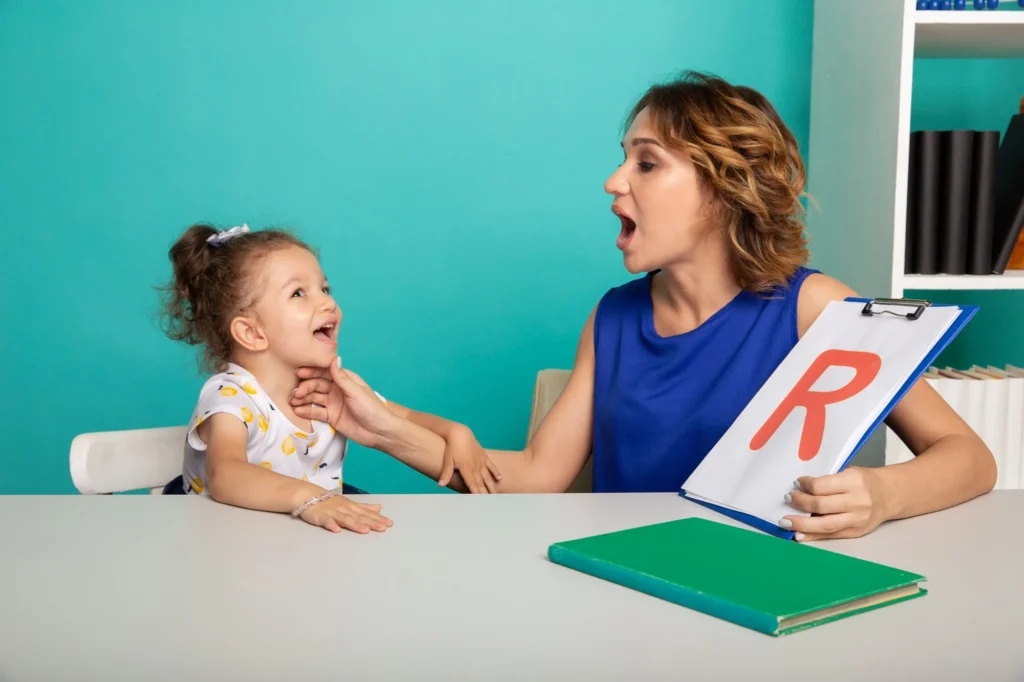
Children may communicate through speech, sounds, gestures, pictures or a device. Share the ways your child already expresses needs and preferences. Ask how support can build on those strengths and make it easier to request help, a break or a preferred activity. For clinical communication support, explore speech and language therapy.

Ask about transitions and daily routines
Bring examples such as leaving home, changing activities or joining a group. Discuss which goals are useful and how the child’s preferences and comfort will be respected. Ask how suggestions can fit your family’s routines and how to review them if they do not help.
Consider whether other input is needed
A professional may discuss whether communication, sensory, daily living or other needs should be assessed. Receiving several services is not automatically necessary. See the occupational therapy service for information about everyday participation and sensory or motor concerns.
Prepare questions about the plan
Ask who will assess your child, who provides sessions, how supervision works and when progress is reviewed. Clarify current charges, reports and cancellation terms. A programme should be explained in terms of individual goals rather than promises of a fixed outcome.
Find current appointment information
Visit ABA therapy at MYCHAMPS for service information or request an appointment. This article is educational and cannot identify the cause of a child’s behaviour or prescribe an intervention.